
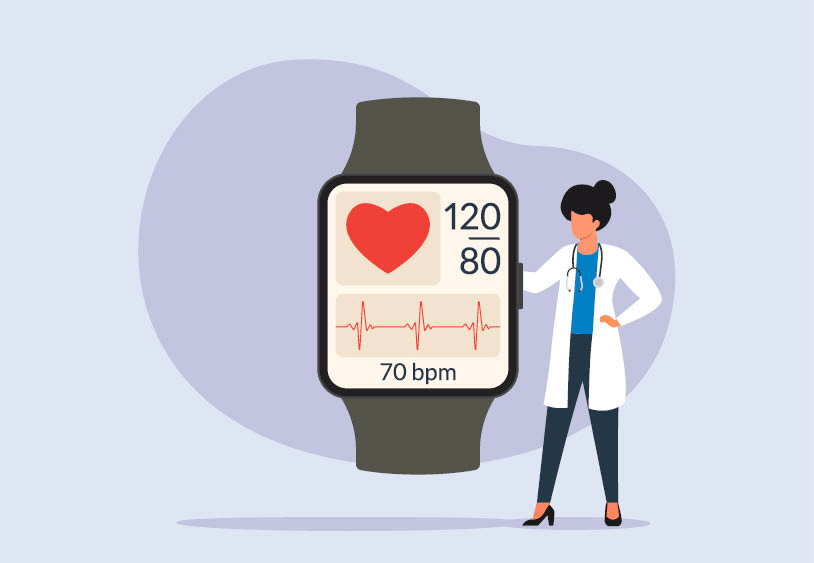
Will Your Heartbeat Affect Your Premium?
As we move through 2026, the frontier of “Usage-Based Insurance” is shifting from how you drive to how you feel while driving. Several tech-forward insurers are experimenting with Biometric Underwriting, using data from smartwatches and in-cabin infrared cameras.

The Concept: Measuring “Driver Readiness” By syncing with wearable devices, insurers can theoretically detect:
- Fatigue: Heart rate variability (HRV) patterns that suggest a driver is drowsy.
- Stress: Sudden spikes in pulse that correlate with aggressive driving.
- Impairment: Pupil dilation or gaze tracking via in-car cameras to ensure the driver is focused on the road.
The 2026 Privacy Debate While insurers argue this could prevent thousands of accidents, consumer advocates are sounding the alarm. In 2026, new state laws in California and Colorado are already being drafted to limit how this “sensitive biological data” can be used. Drivers are currently being offered “Biometric Discounts” of up to 15% to opt-in, but the question remains: is the privacy trade-off worth the savings?