
The 2026 Battle for Your Car’s DNA
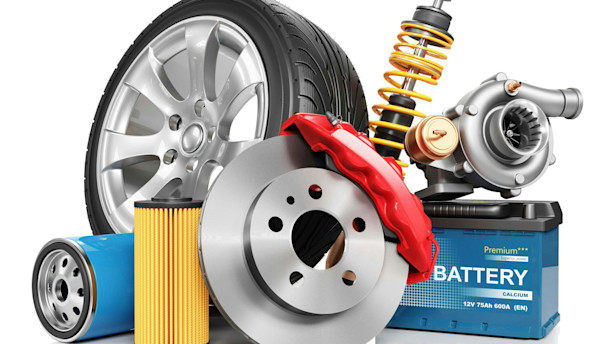
When your car is in the shop after an accident, a quiet tug-of-war begins between your insurer and the repair facility over what parts will be used. In 2026, the distinction between Original Equipment Manufacturer (OEM) parts and Aftermarket (generic) parts has never been more critical for vehicle safety.

The Safety Gap in 2026 Modern cars are integrated systems. OEM parts are designed by the vehicle’s maker to meet specific “crumple zone” and sensor calibration standards. While many high-quality aftermarket parts are certified by organizations like CAPA, some generic alternatives may use thinner steel or different plastics that can alter how a car reacts in a second collision.
The “Right to Repair” Shift As of 2026, several states have passed laws requiring insurers to be more transparent:
- Mandatory Disclosure: Insurers in states like Utah (under the 2026 HB 119) must now give you written notice if they intend to use non-OEM parts.
- The “OEM Endorsement”: Most 2026 policies now offer an optional “OEM Parts Rider.” For an extra $50–$100 a year, you can guarantee that only brand-new factory parts are used in your repairs, protecting your car’s resale value and structural integrity.